
Best Die-Cast Scales for Collectors
Compare 1:64, 1:43, 1:24, 1:18, and large-scale die-cast so you can choose a scale that fits space, budget, and collecting goals.
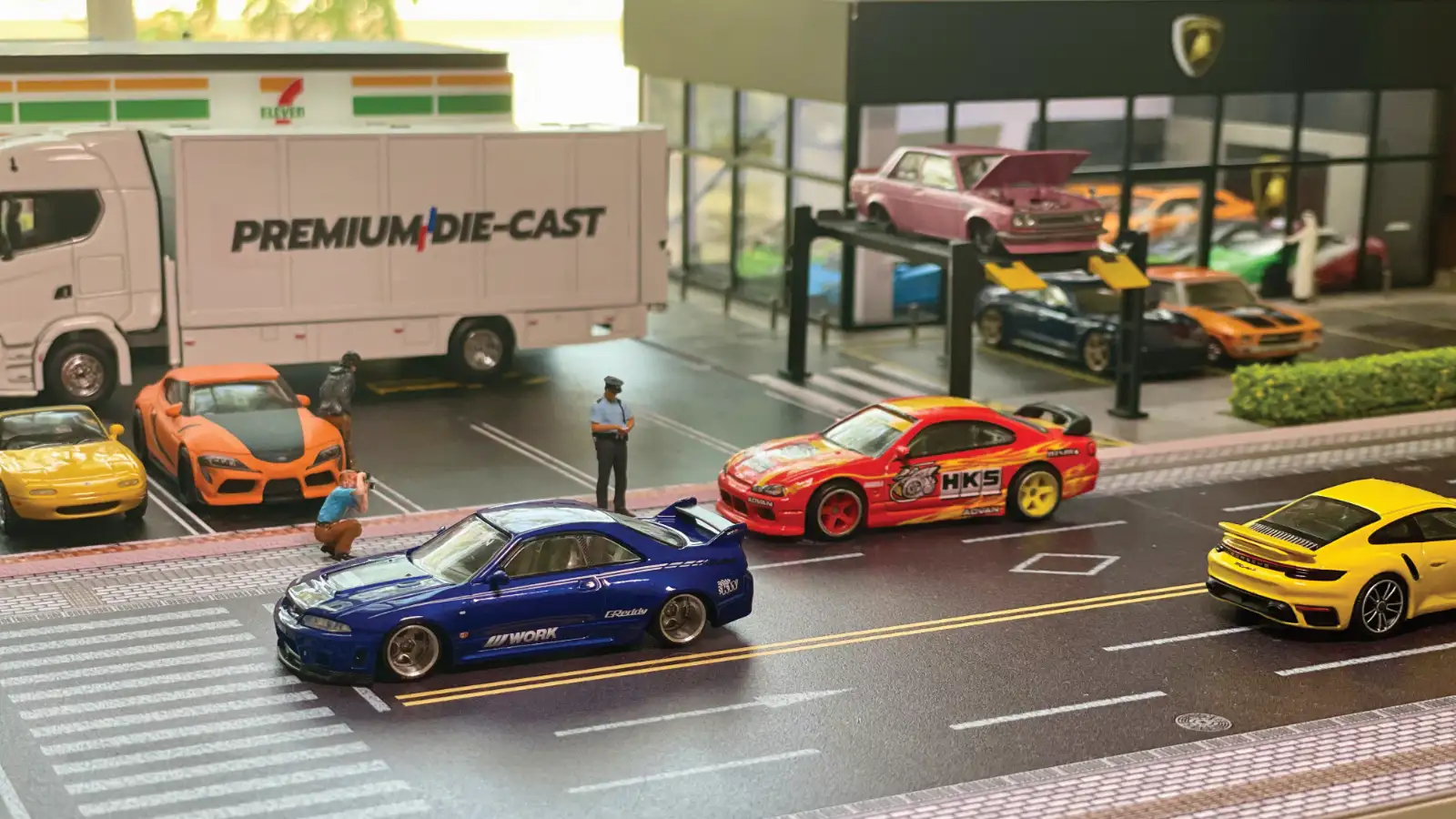
Scale is the first decision that shapes your whole collection, shelf space, budget, brand options, and how you hunt. There is no single “best” scale, only the scale that matches how you collect. This guide breaks down what each common scale does well so you can commit with confidence.
Scale-specific browsing and listings on Premium Die-Cast are live now. Explore scale hubs and browse listings filtered by the scale you collect.
1:64
The default scale for modern collector culture. Huge brand variety, from mainline hunts to Mini GT, Tarmac Works, Inno64, and Pop Race, with manageable shelf footprint.
Pros:
- Widest selection and strongest community
- Easier to display dozens (or hundreds) at home
- Chase culture, exclusives, and customs are very active here
Cons:
- Detail ceiling vs. larger scales
- Carded storage needs plano boxes or dedicated displays
Best if you love variety, JDM and motorsport micro-scenes, or building a broad wall of cars.
1:43
The sweet spot for motorsport history and European boutique brands. Strong in Formula 1, rally, and classic road cars.
Pros:
- Excellent livery accuracy for race cars
- Smaller than 1:18 but still satisfying detail
- Popular with display-case collectors
Cons:
- Fewer “hunt” style releases than 1:64
- Brand mix is different, research before switching scales
Best if you want race liveries and shelf-friendly premium without 1:18 depth.
1:24
Less dominant today but still relevant for American muscle, trucks, and some budget-premium lines. Good entry to larger detail without full 1:18 pricing.
Pros:
- Larger presence than 1:64
- Often easier to find locally in big-box retail history
Cons:
- Thinner premium ecosystem than 1:18 or 1:64 collector brands
- Display depth similar to 1:18 but with fewer ultra-premium options
Best if you like classic American subjects or grew up collecting this size.
1:18
The flagship premium scale. AUTOart, Almost Real, and similar brands target opened-box display and sealed-investment buyers alike.
Pros:
- Opening parts, rich interiors, strong resale on grail pieces
- Deep motorsport and supercar catalogues
Cons:
- Price and weight per model
- Needs real shelf space and careful shipping when you buy/sell
Best if you collect fewer, higher-impact pieces and care about cockpit-level detail.
1:12 and larger
Showpiece territory, museum builds, high-end composites, and statement models. Low run counts, high shipping cost, specialist buyers.
Pros:
- Maximum visual impact
- Strong niche for classics and hypercars
Cons:
- Space, cost, and insurance considerations
- Smaller buyer pool when you resell
Best if you treat select models as display furniture, not volume collecting.
Which scale should you collect?
Ask three practical questions:
- How much space do you have?: 1:64 scales linearly; 1:18 does not.
- What subjects obsess you?: JDM street culture leans 1:64; endurance racing leans 1:43/1:18.
- How do you hunt?: Carded hunts vs. sealed premium boxes are different hobbies.
Many collectors anchor on one scale and sample others for grails. That is normal. Pick the scale you will still enjoy displaying in five years, not the scale trending this month on social feeds.
Collect across different scales?
Create a free account to browse listings, message sellers and list models from your collection.
Related pages
Related guides
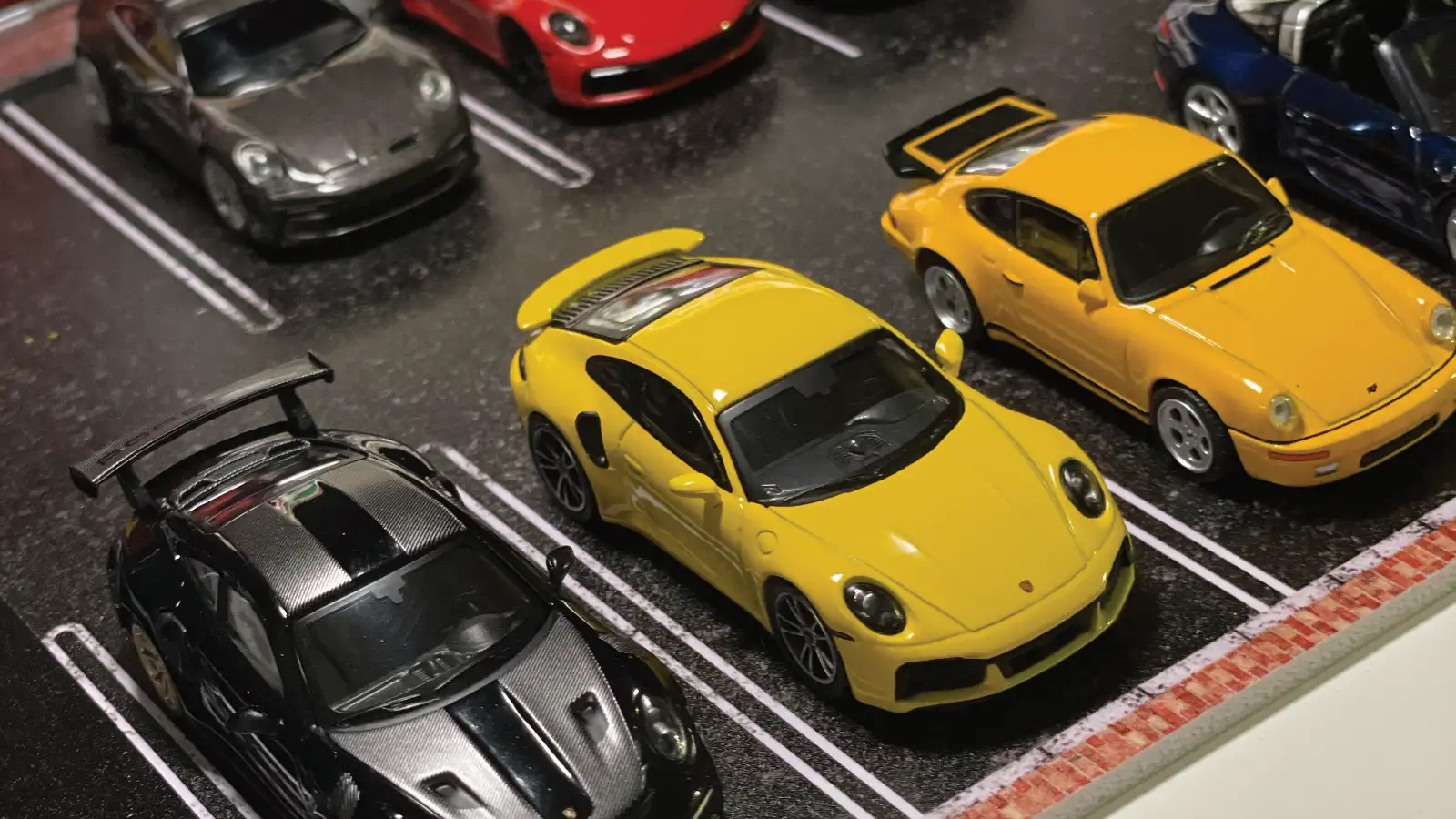
Best Die-Cast Brands for Collectors
A collector-focused overview of standout 1:64, 1:18, motorsport, and custom die-cast brands, and how to choose where to focus.
Read guide →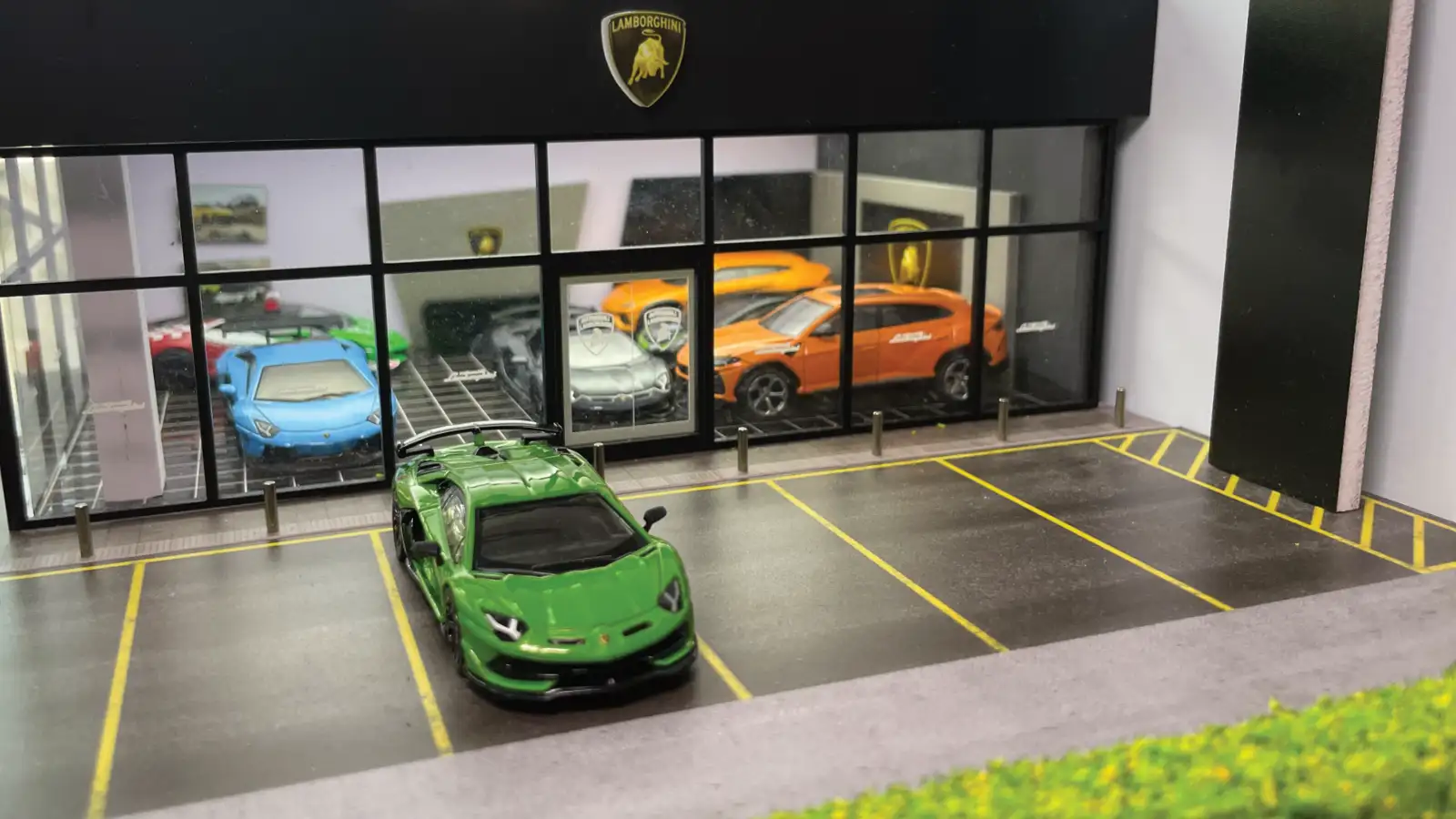
Buying Used Die-Cast Models
What to verify before you buy used die-cast: exact variant, condition, packaging, shipping, and custom builds.
Read guide →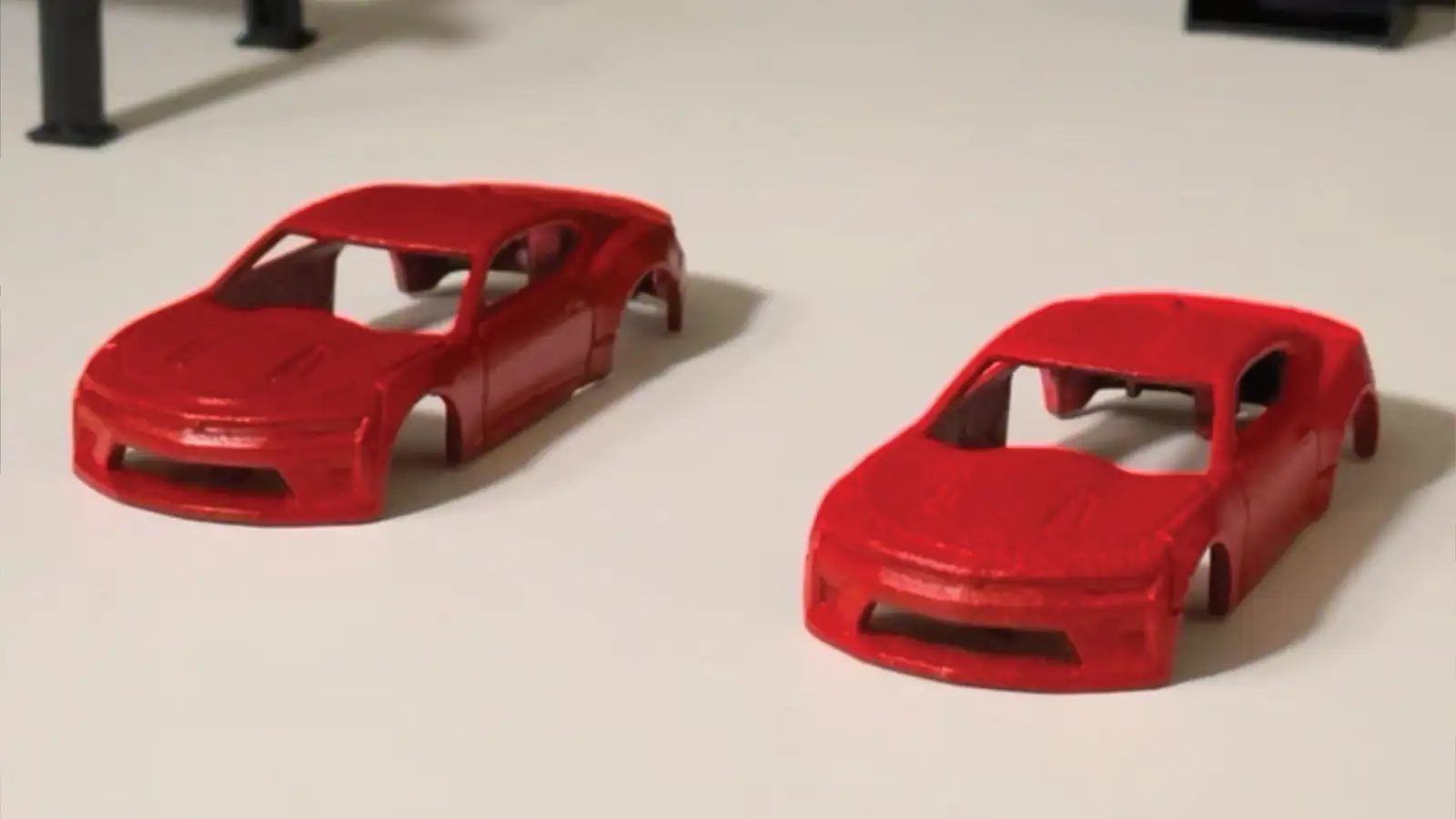
Custom Die-Cast Models Guide
What counts as custom die-cast, how to list and evaluate builds, and how builders earn collector trust on marketplace listings.
Read guide →