
Custom Die-Cast Models Guide
What counts as custom die-cast, how to list and evaluate builds, and how builders earn collector trust on marketplace listings.
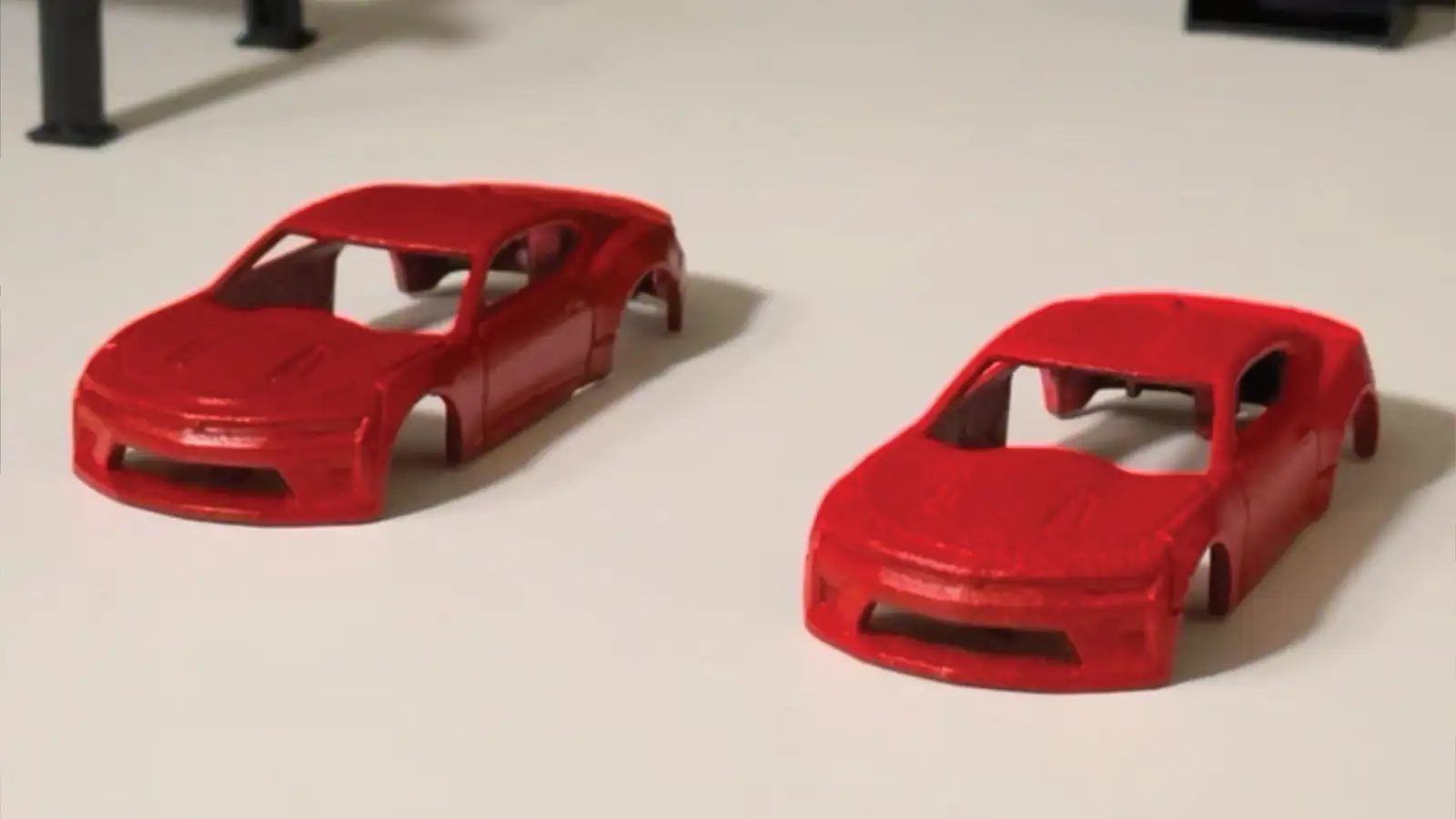
Custom die-cast sits between art and collecting. A wheel swap on a premium 1:64 is not the same hobby as a full respray with livery design, but both get called “custom” in casual conversation. Collectors and builders who spell out the work avoid mismatched expectations and bad reviews.
PDC Customs and dedicated custom seller categories on Premium Die-Cast are launching with early access for builders and buyers who want custom-specific alerts, not a generic feed mixed with factory sealed stock.
What counts as custom
Common custom tiers collectors recognize:
- Light mod: Wheels, tires, ride height, discrete decals; factory paint largely intact
- Detail mod: Part swaps, interior upgrades, lighting, small body corrections
- Repaint / livery: New colour scheme, race numbers, sponsor layout
- Full build: Multiple body changes, scratch parts, heavy fabrication, one-off concepts
If you only changed wheels, say that. Calling it a “full custom” when it is a five-minute swap erodes trust across the whole custom community.
Why listings need detail
Factory listings lean on brand SKU recognition. Custom listings cannot. Buyers need:
- Base brand, casting, and scale
- Every modification listed (wheels, paint, parts source)
- Whether work is permanent or reversible
- Builder name or shop and build date if relevant
- Clear photos: overall, sides, wheels, flaws
Thin listings force twenty-message threads. Detailed listings sell to the right buyer faster, even at higher prices.
How buyers evaluate
Collectors weighing a custom purchase usually score:
- Execution: Clean lines, even clear coat, aligned decals, tight wheel fit
- Taste: Subjective, but coherence matters (livery logic, wheel choice)
- Provenance: Known builder, documented progress, consistent portfolio
- Base value: Rare base casting vs. common donor
- Resale reality: Custom taste is personal; buy because you want to display it
Ask for macro photos of edges and wheel barrels. Politely decline if the seller will not show defects.
How builders present
Builders who last on collector marketplaces treat presentation like a portfolio:
- Consistent photo background and lighting
- Before/after or work-in-progress when it helps justify price
- Honest naming (“wheel swap on Mini GT R34” not “1 of 1 grail”)
- Shipping standards that protect fresh clear coat
- Separate policies for commissions vs. ready-to-ship inventory
Create a free account and list custom builds if you plan to list builds in custom categories. Buyers can sign up for custom alerts the same way, so new work reaches people who already care about modified die-cast, not random scroll traffic.
Custom collecting rewards clarity. The more your listing reads like a build sheet, the less friction between a fair price and a satisfied collector.
Showcase custom builds on Premium Die-Cast
Create a free account to browse listings, message sellers and list models from your collection.
Related pages
Related guides
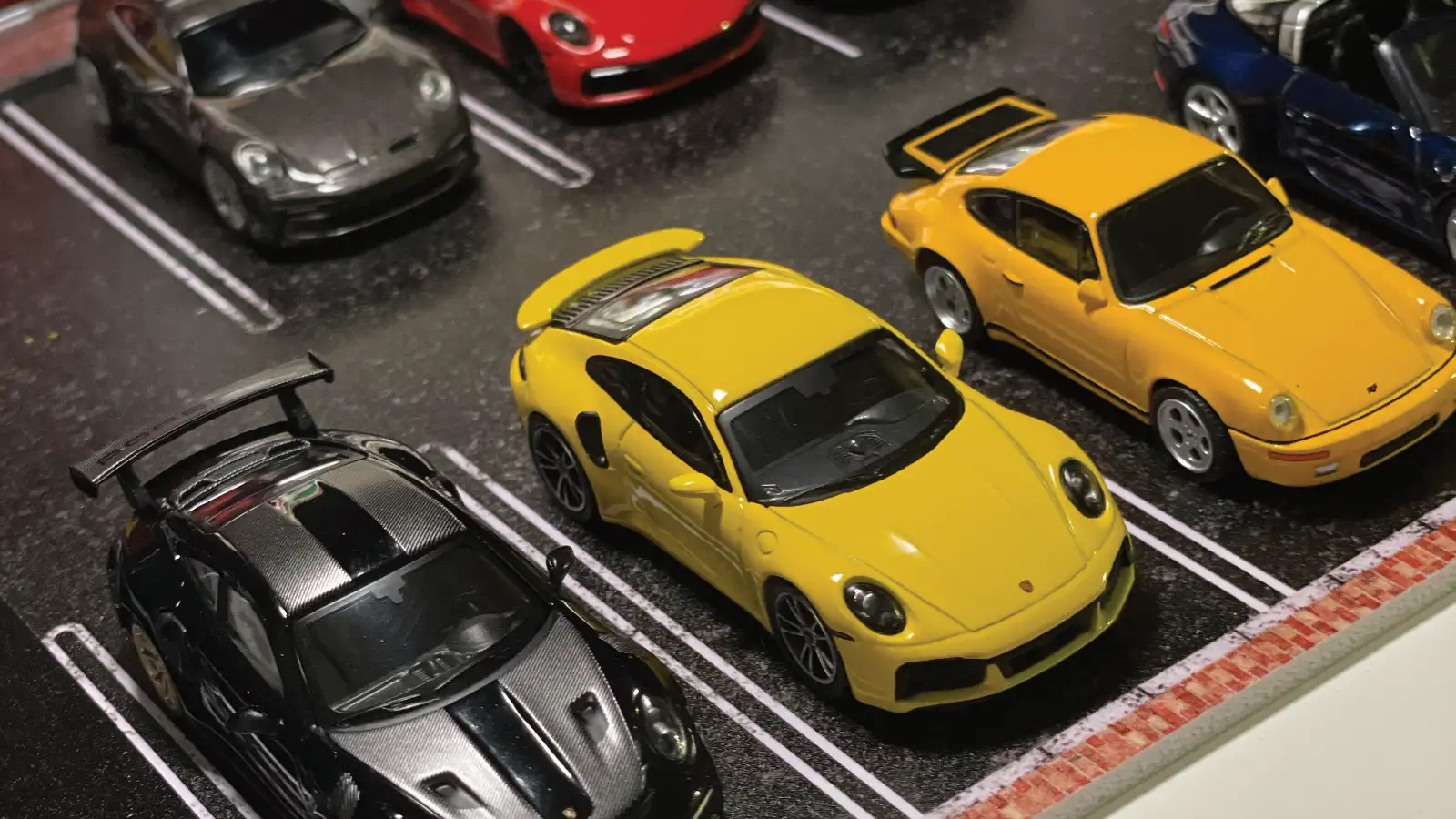
Best Die-Cast Brands for Collectors
A collector-focused overview of standout 1:64, 1:18, motorsport, and custom die-cast brands, and how to choose where to focus.
Read guide →
Best Die-Cast Scales for Collectors
Compare 1:64, 1:43, 1:24, 1:18, and large-scale die-cast so you can choose a scale that fits space, budget, and collecting goals.
Read guide →
Buying Used Die-Cast Models
What to verify before you buy used die-cast: exact variant, condition, packaging, shipping, and custom builds.
Read guide →