
How to Sell Die-Cast Models Online
A practical seller guide for listing die-cast models with clear titles, honest condition notes, and shipping expectations collectors trust.
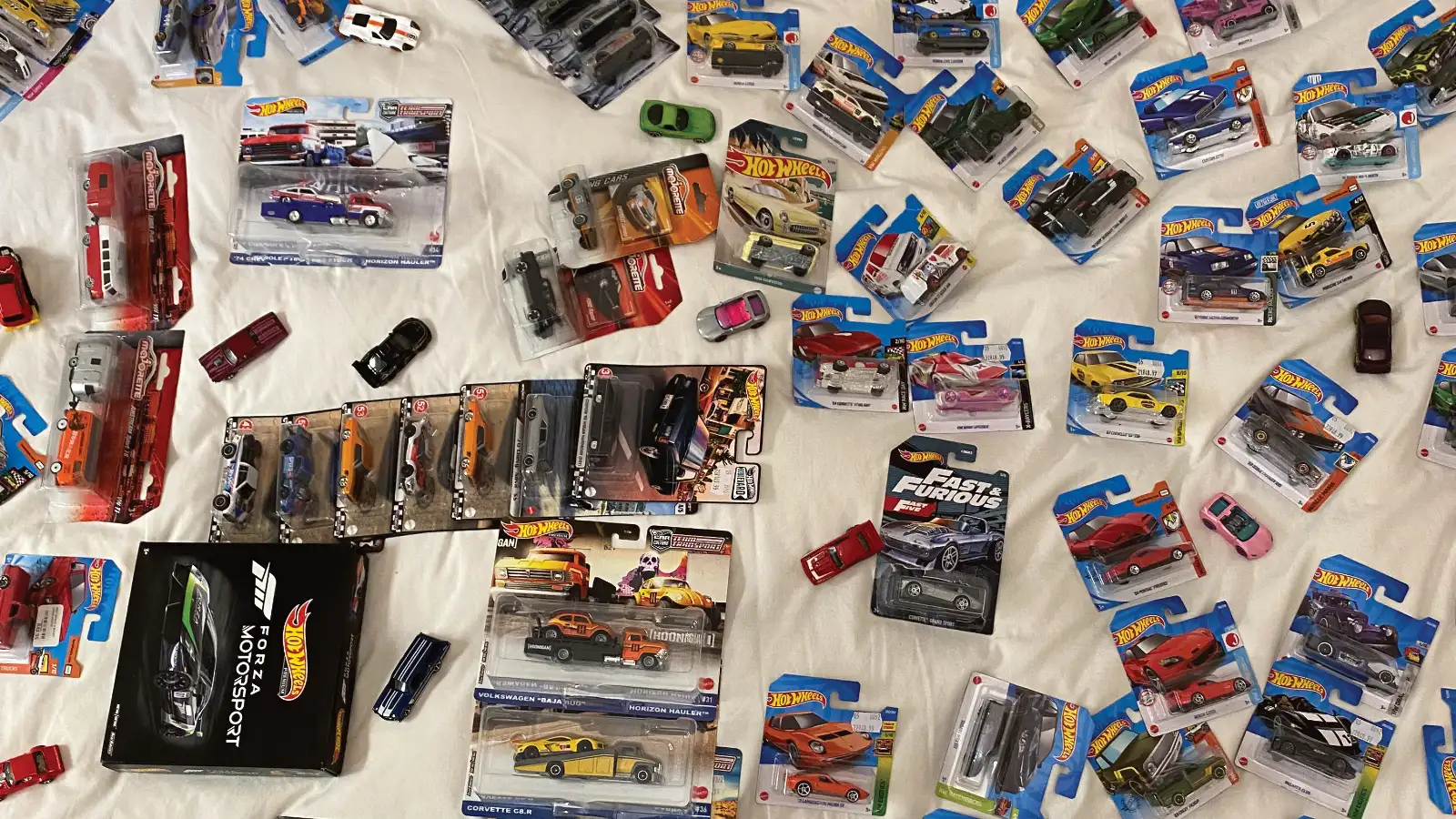
Selling die-cast online is less about hype and more about clarity. Collectors compare dozens of listings for the same casting, so the sellers who win trust are the ones who name the model precisely, show real photos, and set honest expectations before anyone messages you.
Premium Die-Cast has live classified listings. Use this guide to prepare strong listings, then create a free account and submit models for review.
Start with the exact model
Your title is the first filter buyers use. Include brand, scale, model name, variant, and anything that separates your piece from a standard release.
Strong title examples:
Mini GT 1:64 Porsche 911 GT3 RS, Malaysia Exclusive, New SealedAUTOart 1:18 Nissan Skyline GT-R R34 V-Spec II, Opened, Displayed, Complete Box
Weak title examples:
Cool JDM car 1:64Hot Wheels premium lot, read description
If you are unsure of the official name, check the box, baseplate, or brand catalog copy. A vague title slows sales and invites the wrong questions.
Photograph properly
Collectors buy with their eyes. Shoot in natural light when you can, and photograph every angle that affects value:
- Front three-quarter and rear three-quarter
- Roof, base, and wheels
- Packaging front and back (if included)
- Close-ups of paint flaws, rub marks, or wheel swaps
Avoid heavy filters. A phone photo that shows true colour beats a polished image that hides swirl marks or shelf wear.
Describe condition honestly
Condition drives price more than enthusiasm. State whether the model is new sealed, opened, displayed, loose, or damaged. Mention:
- Paint chips, rubs, or bent axles
- Whether the car was ever removed from the blister or inner tray
- Missing parts, stickers, or certificates
Buyers forgive honest wear. They do not forgive surprises after payment.
Include packaging
Packaging is part of the product for many collectors. Note:
- Blister vs. box vs. loose only
- Whether the card is curled, creased, or punched for hanging
- Inner trays, sleeves, manuals, and limited-edition inserts
- Whether you ship with or without outer mailer protection
A mint car in a beat-up card often prices differently from a mint car in a mint card.
Set shipping expectations
Die-cast ships differently by scale. Say what you will use (rigid mailer, box-in-box, bubble wrap) and whether you combine orders. If you only ship domestically or cap declared value, say that up front.
Buyers planning cross-border purchases need to know who handles customs risk and how long packing takes. Clear shipping notes reduce disputes before listings go live in your region.
Price with context
Price against recent sales for the same variant, not against what you paid years ago or what a BIN listing asks today. Factor in:
- Brand tier and scale
- Chase, convention, or regional exclusivity
- Condition and packaging completeness
- Your market (local demand vs. international shipping cost)
If you are testing price, note that you are open to reasonable offers rather than leaving buyers guessing.
Communicate with buyers
Reply with specifics. If someone asks about wheel type, tampos, or box code, answer directly or send another photo. Reserve the model fairly once a deal is agreed, pack within the timeframe you stated, and share tracking when it ships.
Good communication turns one sale into repeat buyers, especially on a collector-first marketplace where reputation travels fast.
Ready to sell die-cast on Premium Die-Cast?
Create a free account to browse listings, message sellers and list models from your collection.
Related guides
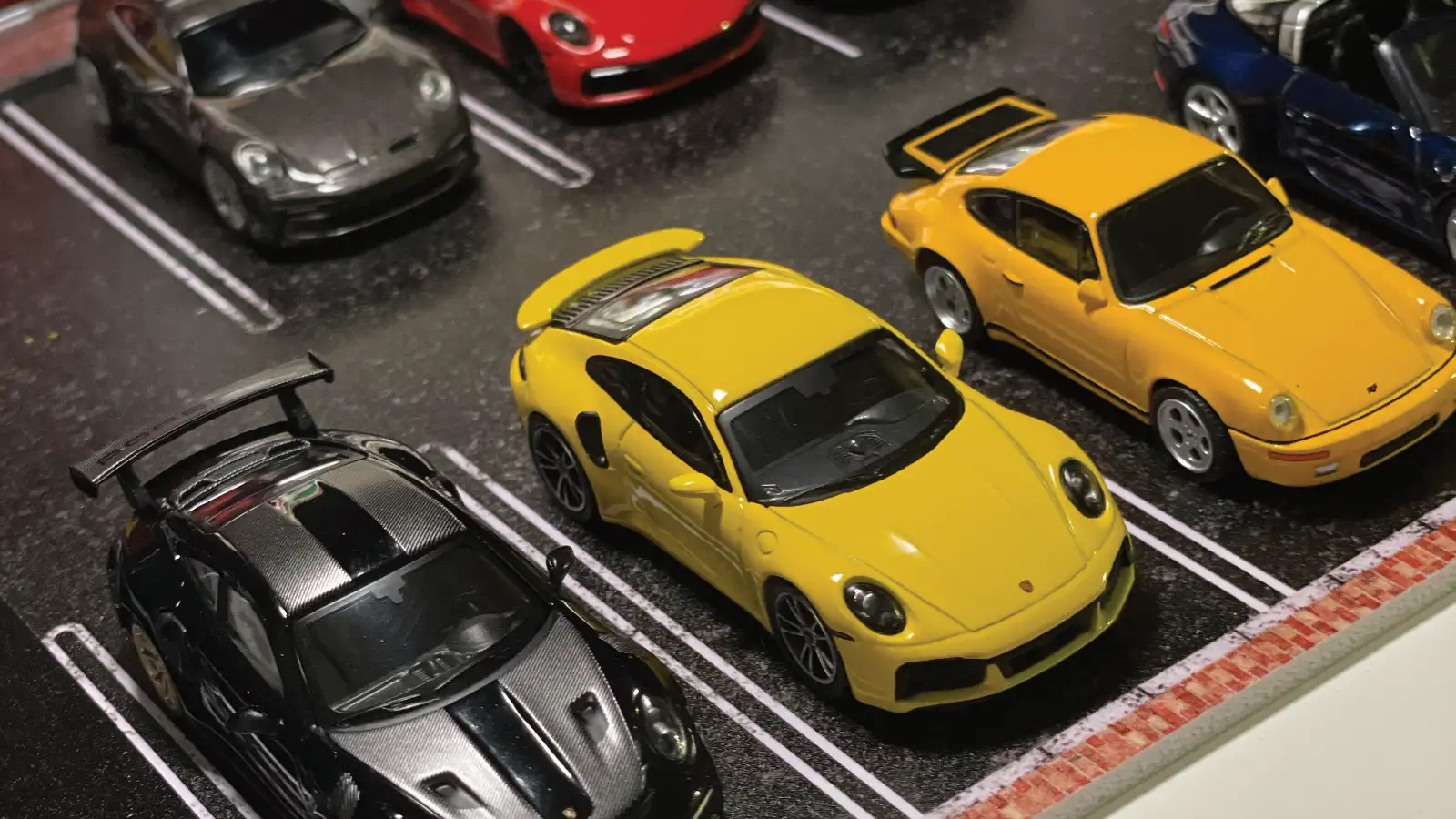
Best Die-Cast Brands for Collectors
A collector-focused overview of standout 1:64, 1:18, motorsport, and custom die-cast brands, and how to choose where to focus.
Read guide →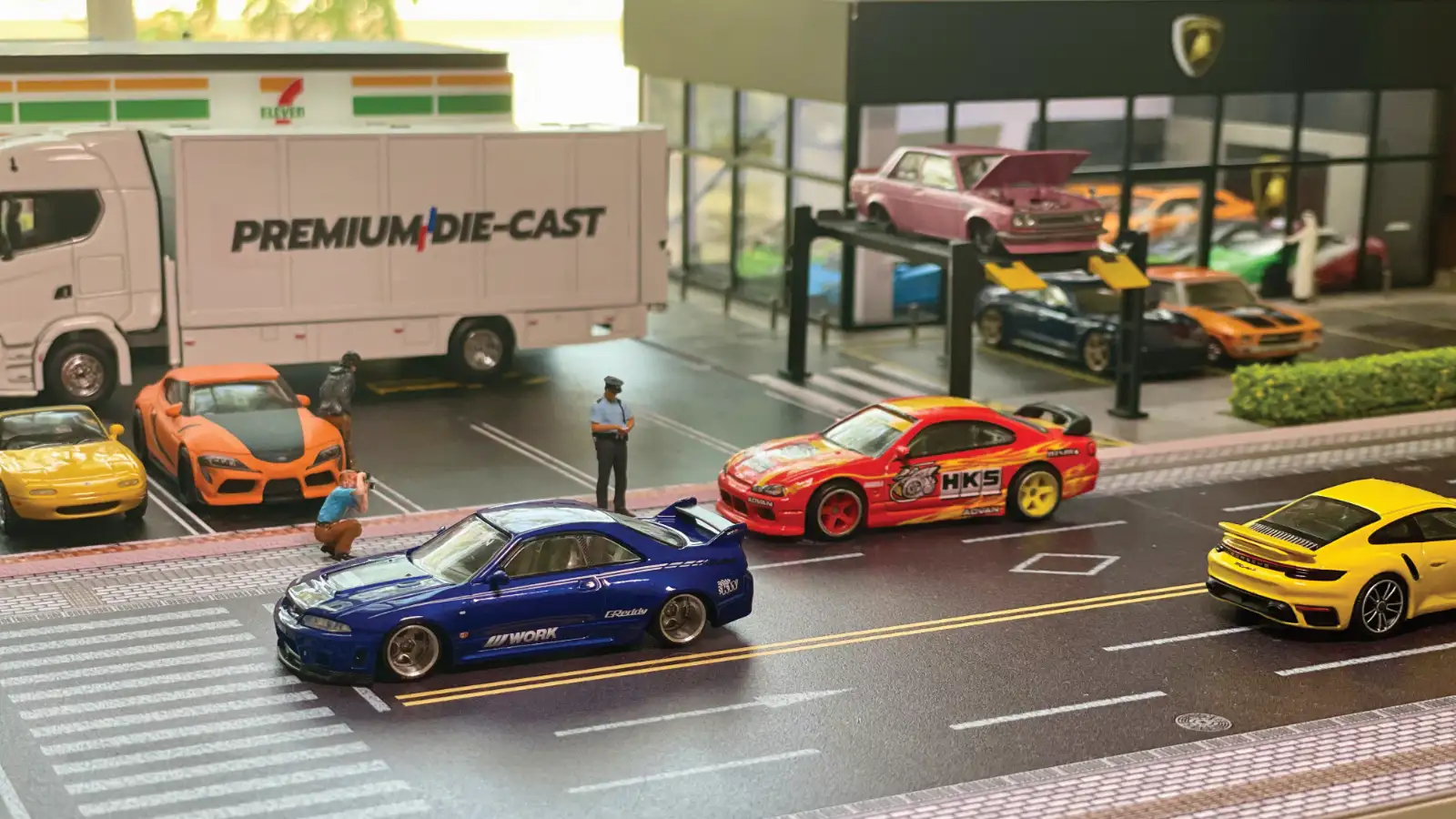
Best Die-Cast Scales for Collectors
Compare 1:64, 1:43, 1:24, 1:18, and large-scale die-cast so you can choose a scale that fits space, budget, and collecting goals.
Read guide →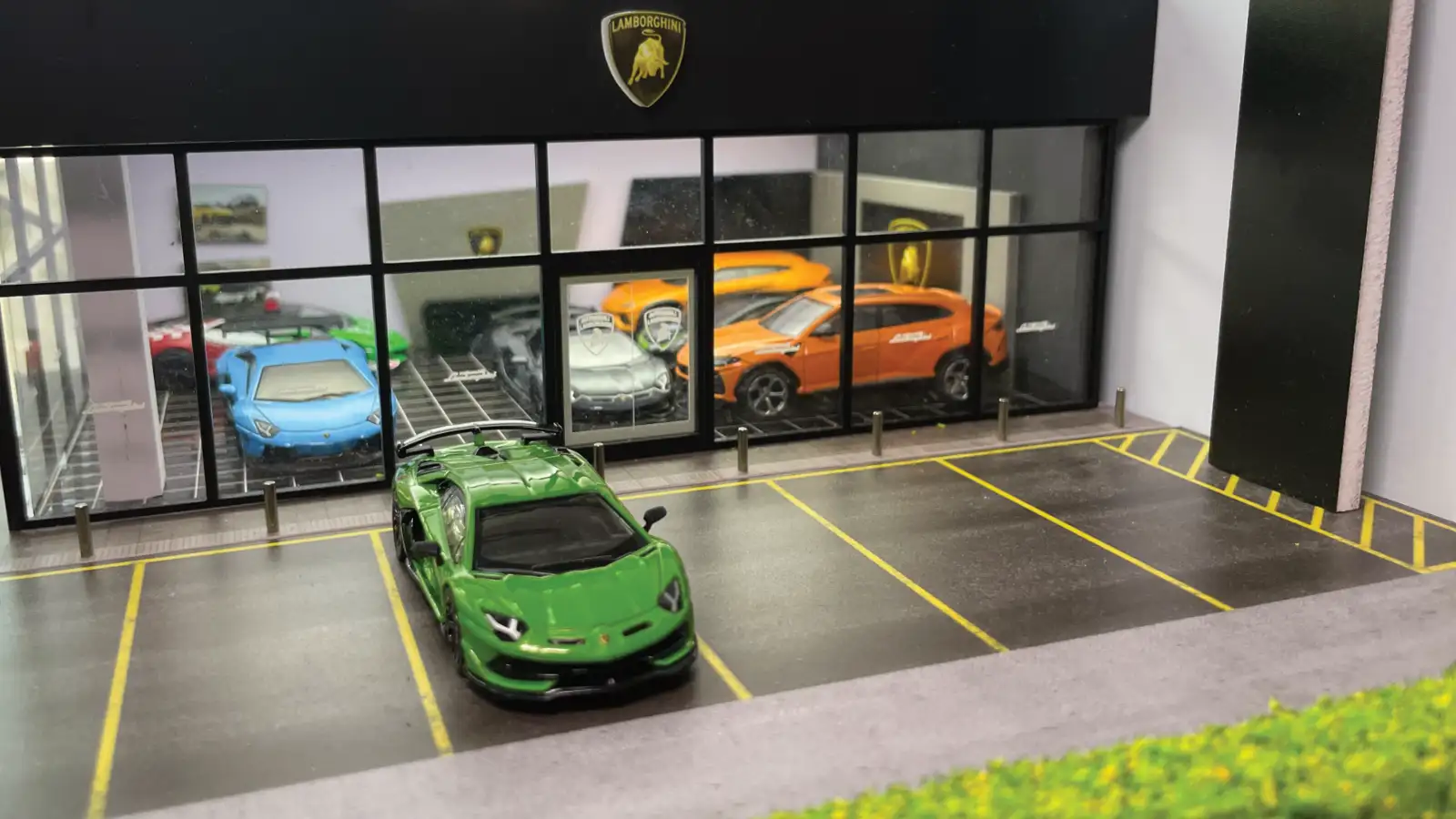
Buying Used Die-Cast Models
What to verify before you buy used die-cast: exact variant, condition, packaging, shipping, and custom builds.
Read guide →